November 26, 2026
How to Choose Barcelona Tours That Fit Your Time and Interests
By @barcelonacitytourmarket
Choosing among barcelona tours is less about finding the single best option and more about matching a format to your time, pace, and interests. The city rewards slow looking, but a short visit makes that easier said than done. A good plan starts with the practical limits of the trip, then narrows by theme, route, and style.
Start with the time you actually have
Begin by marking the free blocks in your day rather than filling every hour. Barcelona is spread across compact but busy districts, and moving between them takes time. A morning may suit a historic route, while a hot afternoon can call for something with shade, a sea breeze, or an indoor stop. Leave a margin before the next meal or reservation, especially if the route ends in a crowded area where it can take a while to find a table or a taxi.
Think about arrival and departure days too. If luggage needs storing or the hotel is far from the meeting point, a tight schedule can turn into a rush. On a first day, a shorter orientation is often more useful than an ambitious route. On a final day, choose something near transport or close to where the day will end. A barcelona city tour works well when it sets the shape of the city without trying to cover every landmark.
Decide what you want to understand
Before comparing formats, name the main purpose of the outing. Some visitors want architecture, some want food, some want history, and others want a relaxed way to see the waterfront. That choice makes the rest simpler. A route built around Gothic lanes and medieval squares will feel very different from one focused on Modernista buildings or beachside views.
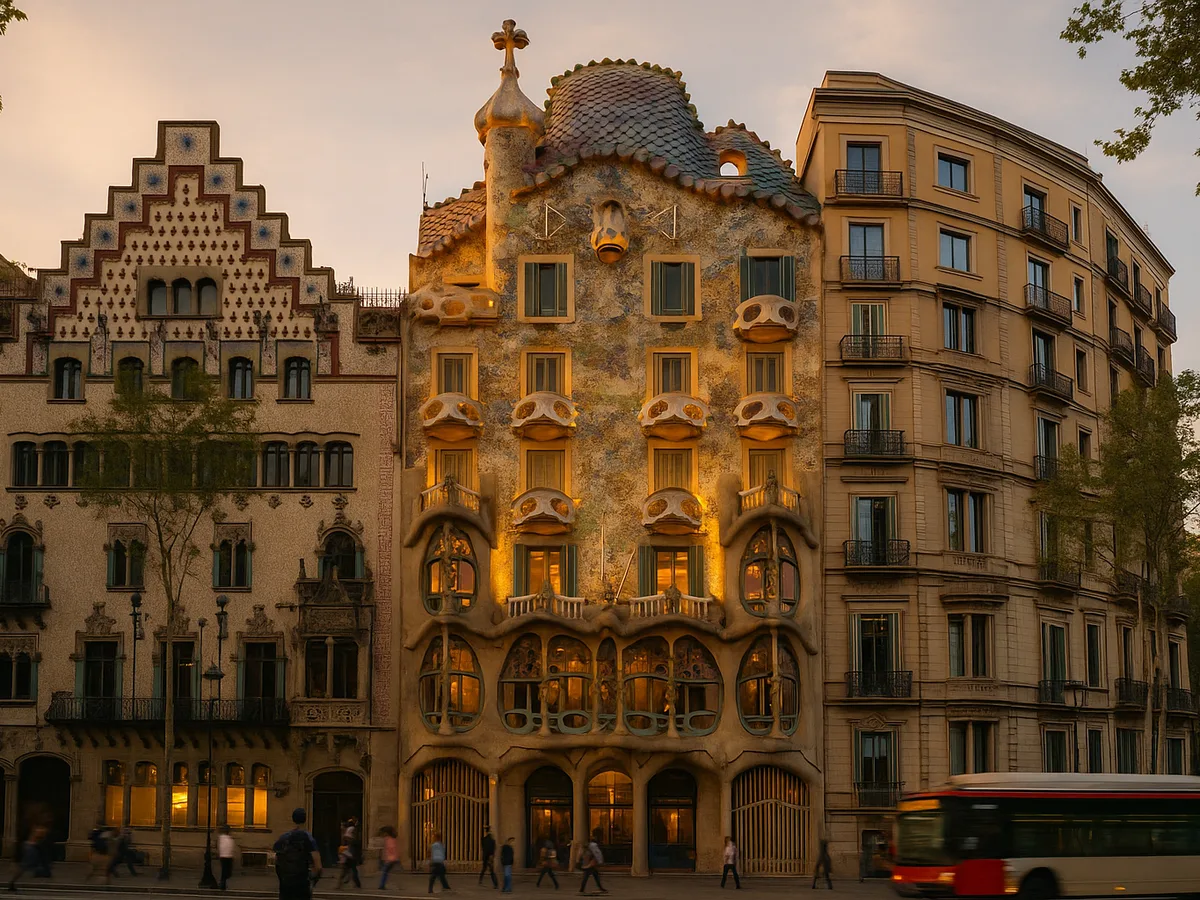
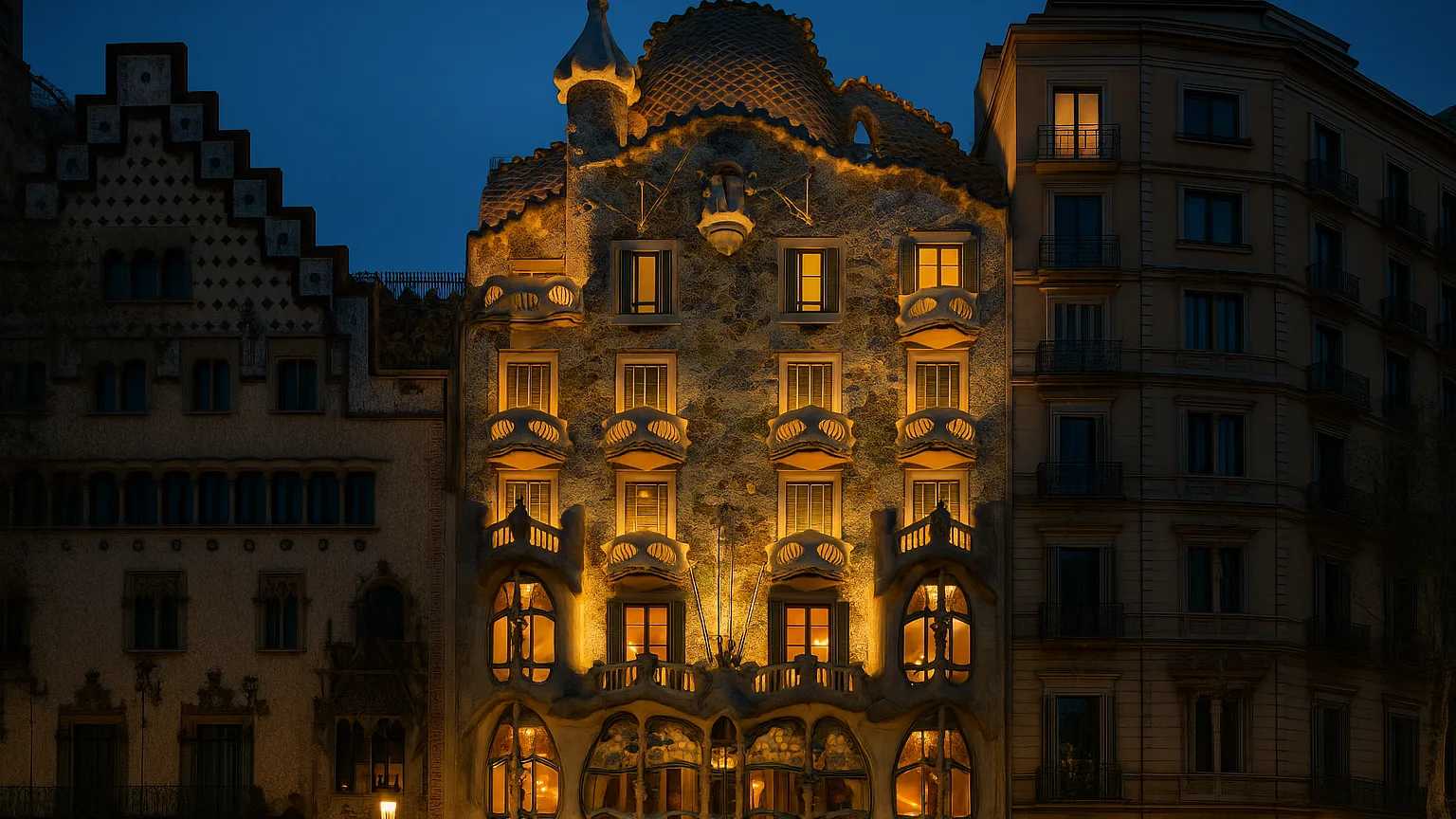
Interest also affects the right level of detail. If the subject is new, a broad introduction helps because it gives names, dates, and places a clear order. If the subject is familiar, a themed route may be more satisfying. For example, a gourmet market stop adds texture to a food-focused day, while a visit tied to güell palace suits an architecture-led plan. The aim is not to collect sights, but to leave with a clearer sense of why they matter.
Match the format to your pace
Walking is the default for many city routes, and it is often the best way to notice details: stonework, shopfronts, narrow squares, and the shift from one neighbourhood to another. It also asks more of the body. Check the distance, the terrain, and the number of stops, especially in warm months. Barcelona has slopes in some areas, and cobbles can be tiring underfoot.
Wheeled formats reduce strain and cover more ground, though they change how closely you can look at a building or pause in a square. A bike tour can suit routes along wider streets and open areas, while a segway tour may appeal when the aim is to cover several districts without a long walk. A scooter tour can feel quicker and more open to traffic conditions, so it suits confident riders who are comfortable in urban settings. For a slower social pace, a small group format often feels calmer than a large one, because questions and pauses are easier to manage.
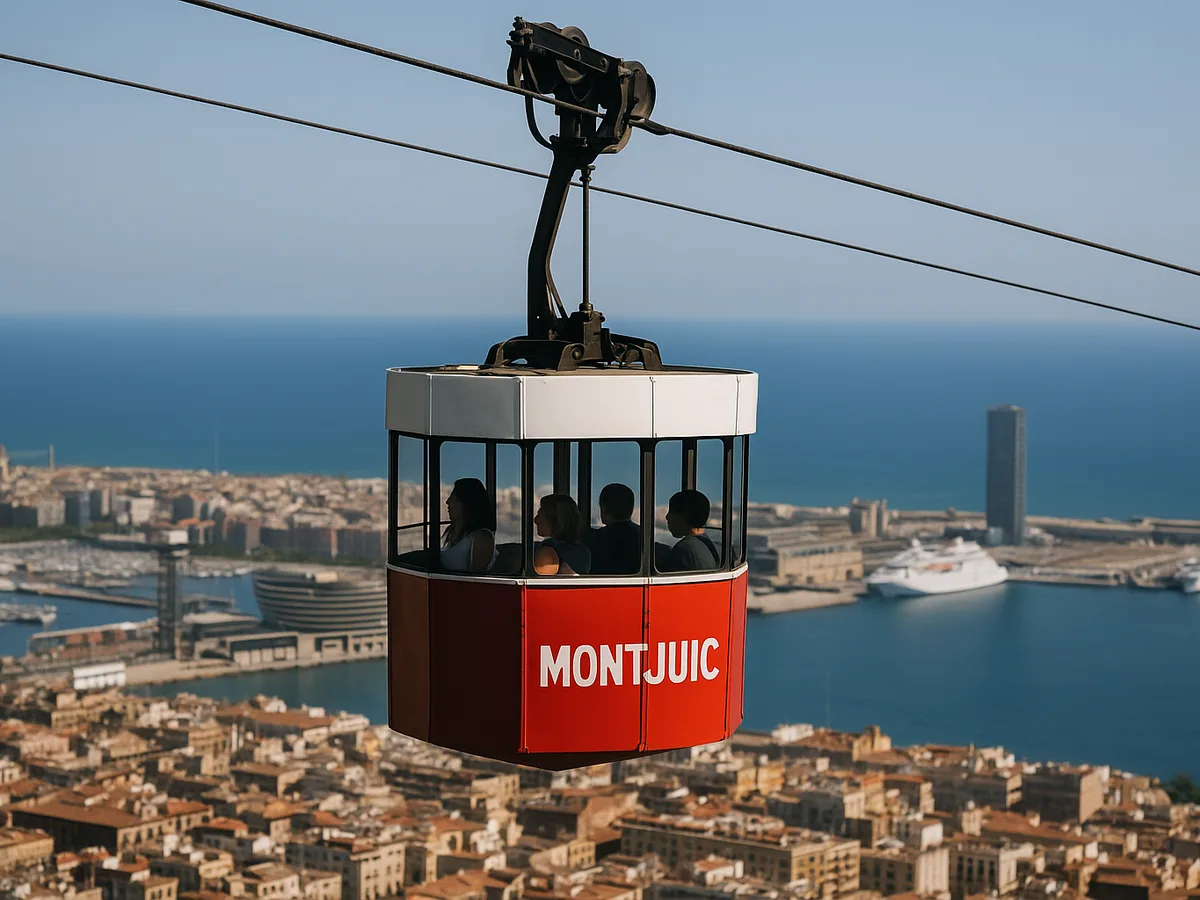
If the day calls for a change of scenery, a catamaran cruise offers a different view of the coastline and the city edge. It is not a substitute for exploring streets and courtyards, but it can pair well with a short land route. The same applies to a flamenco show: it adds an evening cultural stop rather than replacing a daytime route.
Check the route, not just the headline
Titles can sound similar while the day unfolds very differently. Read the route description for the order of stops, the length of each pause, and the way transitions are handled. A route that lists many landmarks may spend most of the time moving between them. A shorter route with longer stops often gives a better sense of place.
Pay attention to where the route starts and ends. A central start is convenient, but only if it is easy to reach from where you are staying. An end point near lunch, a metro link, or your next plan saves time. If the listing mentions entry to a site, check whether that means going inside or simply viewing from outside. The boqueria market, for instance, can be a lively stop, but the experience changes when it is busy, when stalls are closing, or when the group has only a few minutes there.
Access matters as well. If anyone in the group needs step-free movement, shorter walking distances, or frequent seated breaks, confirm that before booking. A route that looks modest on paper can still include stairs, uneven paving, or long periods standing. Ask what the pace is like and whether there are places to sit. Clear answers are a good sign.
Compare group size and level of structure
Group size shapes the feel of the day. Larger groups can move efficiently and keep costs lower, but they may make it harder to hear commentary or ask questions. Smaller groups tend to allow more conversation and flexibility, though they still follow a set plan. Private formats suit families or mixed interests because the route can be adjusted around the group, but they need more planning up front.
Structure is another point to weigh. A fixed route gives confidence and keeps the day moving. A loose format leaves room for detours, but it can waste time if no one has a clear plan. Look for a balance: a defined set of stops with enough breathing space to enjoy them. The best barcelona city tour is usually the one that leaves you with energy for the rest of the day, not one that pushes every possible sight into a single block of time.
Read the practical details before booking
Once a shortlist forms, check the small print with care. Start time, meeting point, duration, language, included stops, and what happens if plans change all matter. A clear listing tells you what is included and what is not, without relying on vague wording. If the description promises several districts but gives no route detail, treat that as a prompt to ask questions.
Weather is a practical factor in Barcelona. Summer heat can make midday walking unpleasant, while rain can affect open-air formats. Choose a route with indoor pauses if the forecast is hot or wet, and keep a flexible backup in mind. Comfortable shoes, water, and sun protection are simple choices that make a walking day easier. For wheeled formats, check the meeting rules and what is provided before assuming anything.
Language also deserves attention. Commentary in a language the group understands adds far more than a list of names. If several languages are offered, choose the one that allows questions and discussion. For families, ask whether the content is aimed at adults only or can hold the attention of younger visitors.
Make the final choice by fit
When the options look close, compare them against three points: the time available, the interests of the group, and the level of physical effort everyone can handle. A strong choice should fit all three without strain. If one option wins on sights but fails on timing, it is usually the wrong pick. If a slower route covers fewer places but gives everyone room to enjoy them, it often creates a better day.
Finally, leave space between plans. Barcelona has a way of drawing attention to small details, a courtyard glimpsed from a lane, a view from a bridge, a stall near the end of a market aisle. Tours provide shape, but the city itself rewards unhurried moments. Choose the route that gives you a solid foundation and still leaves time to follow a quiet side street or linger where the day feels right.
❧